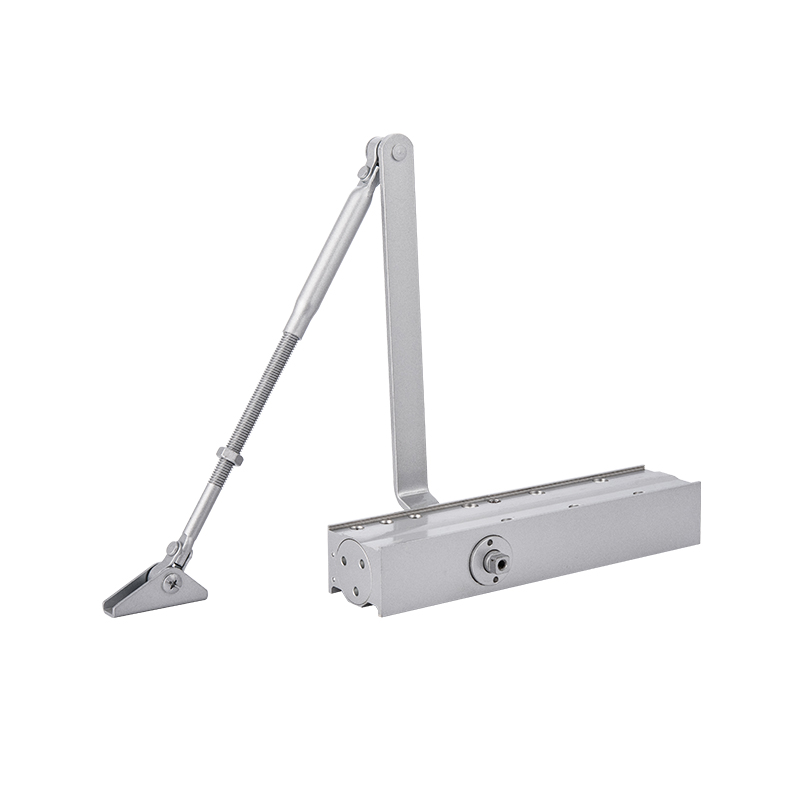
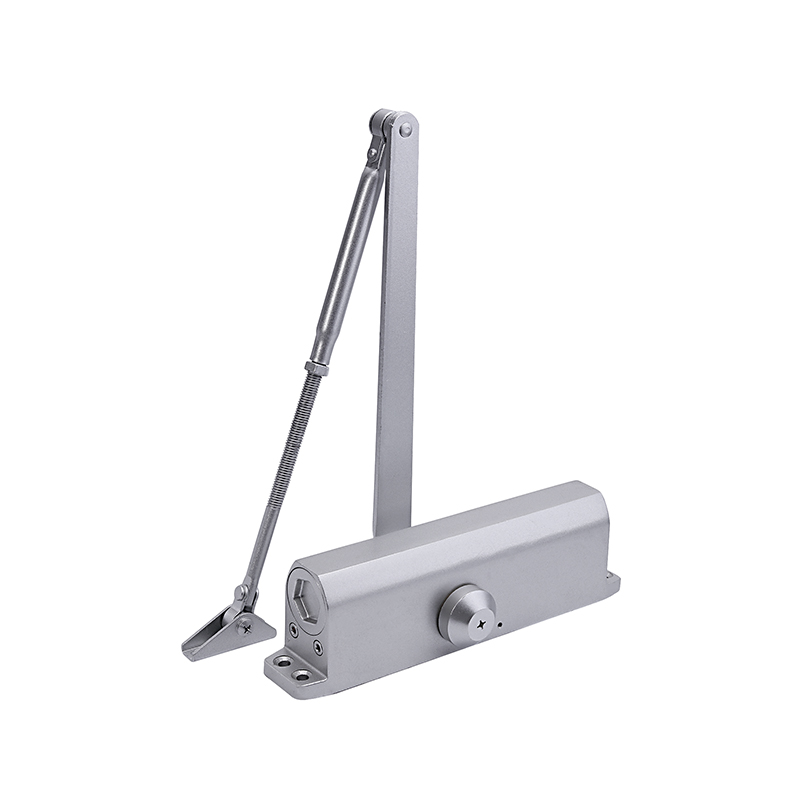
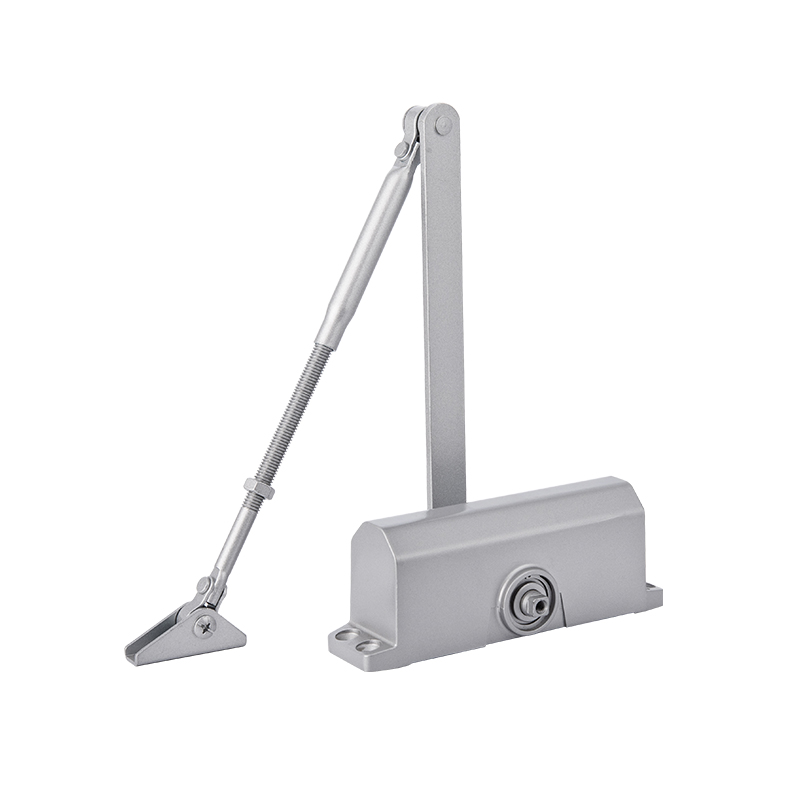
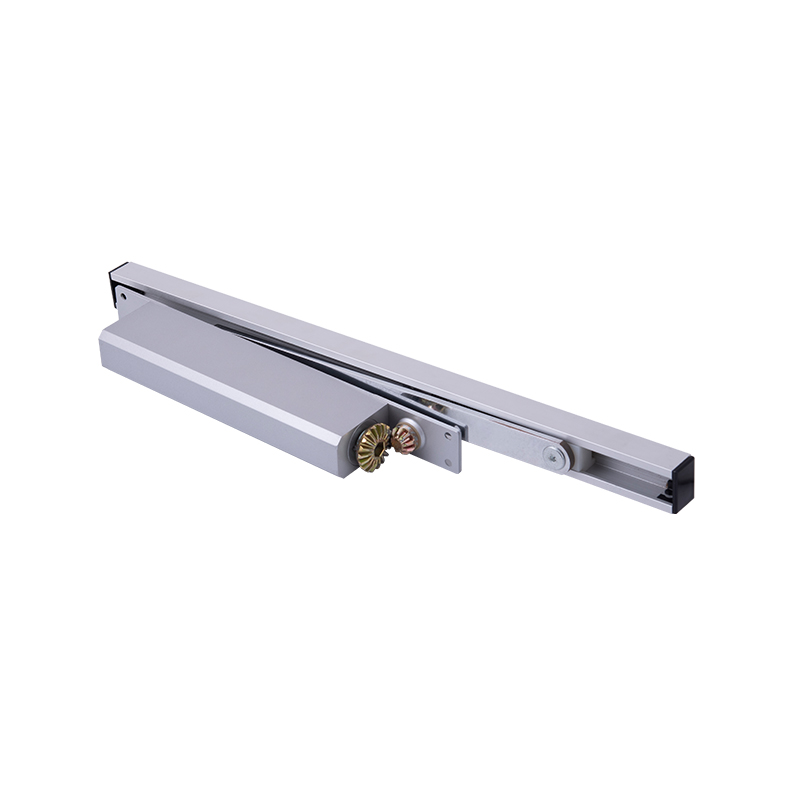
In many commercial buildings, people rarely notice the floor spring unless the door stops working properly.
The mechanism stays hidden beneath the entrance, quietly controlling thousands of opening and closing cycles every month. Yet inside modern building projects, engineers and procurement teams have started looking at floor springs differently — not only from the perspective of durability, but also from long-term environmental impact.
That shift is one reason the term Carbon Neutrality Floor Spring has appeared more frequently in recent hardware discussions.
Interestingly, the conversation is usually less about one single “green material” and more about how the entire product behaves across years of operation.
Long Service Life Changes Environmental Cost
Inside entrance hardware systems, replacement frequency matters more than many outside the industry expect.
A poorly performing floor spring may require repeated servicing, hydraulic oil maintenance, or full replacement years earlier than planned. Every additional replacement creates new manufacturing demand, transportation cost, and installation work.
That is why some manufacturers developing Carbon Neutrality Floor Spring systems pay closer attention to lifecycle stability rather than only short-term production claims.
This becomes especially important in:
- office towers
- hospitals
- airports
- shopping centers
- public transport facilities
Actually, a floor spring surviving years longer in high-traffic conditions may reduce overall environmental impact more effectively than simply changing one surface material.
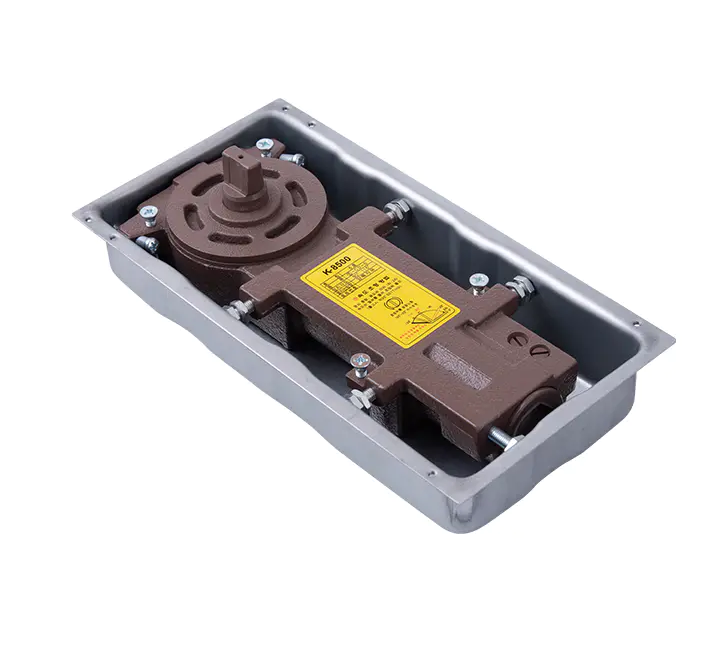
Door Weight Quietly Affects Energy Consumption
Heavy glass doors create different operating conditions compared with lighter aluminum or wooden systems.
Inside a Carbon Neutrality Floor Spring, hydraulic resistance and spring force must remain balanced carefully. If the mechanism requires excessive force during operation, the door system may create unnecessary stress on hinges, pivots, and surrounding hardware over time.
Engineers therefore often evaluate:
- opening resistance
- closing efficiency
- hydraulic stability
- friction control
- cycle consistency
Actually, smoother door movement can indirectly reduce long-term maintenance demand across the entire entrance system.
Material Waste Often Starts During Installation
One detail rarely discussed outside construction sites is installation accuracy.
A Carbon Neutrality Floor Spring installed improperly may require repeated floor adjustment, repositioning, or early replacement because the pivot alignment changes under load. Even minor installation deviation can affect how evenly the internal mechanism handles stress during operation.
This becomes more noticeable with:
frameless glass doors
oversized entrance panels
retrofit renovations
stone flooring systems
high-frequency commercial entrances
Actually, some lifecycle problems blamed on product quality begin from alignment stress introduced during the first installation.
Hydraulic Stability Matters In Real Buildings
Laboratory testing conditions rarely match real operating environments perfectly.
Inside shopping malls or office buildings, a Carbon Neutrality Floor Spring may experience dust, temperature fluctuation, moisture, and continuous traffic pressure every single day. Hydraulic oil behavior changes gradually under these conditions, especially during long-term operation.
Technicians often monitor:
- closing speed consistency
- delayed rebound
- oil leakage
- internal pressure stability
- temperature-related resistance changes
Actually, small hydraulic instability usually appears months before complete mechanical failure happens.
Sustainable Manufacturing Is Becoming Part Of Procurement
Many commercial projects now evaluate more than simple hardware pricing.
Manufacturers promoting Carbon Neutrality Floor Spring products increasingly mention certifications, production audits, and environmental management systems because building developers themselves face sustainability requirements. AIBO, for example, references ISO9001, ISO14001, ISO45001, and sustainability audits connected with its manufacturing operations.
This affects projects involving:
- green-certified buildings
- international commercial developments
- public infrastructure
- hospitality construction
- large office complexes
Actually, hardware selection discussions now sometimes include environmental reporting requirements alongside traditional durability specifications.
Small Mechanical Systems Now Carry Bigger Expectations
To many building users, a floor spring simply controls how a door opens and closes.
Inside modern construction projects, however, a Carbon Neutrality Floor Spring is increasingly evaluated through a broader lens involving service life, maintenance frequency, hydraulic stability, installation precision, and manufacturing sustainability together.
The difficult part is not only producing a floor spring that closes a door smoothly.
It is building one that continues operating reliably after years of heavy traffic while reducing unnecessary replacement, maintenance waste, and long-term environmental burden across the entire entrance system.

 中文简体
中文简体
 English
 русский
 عربى
عربى